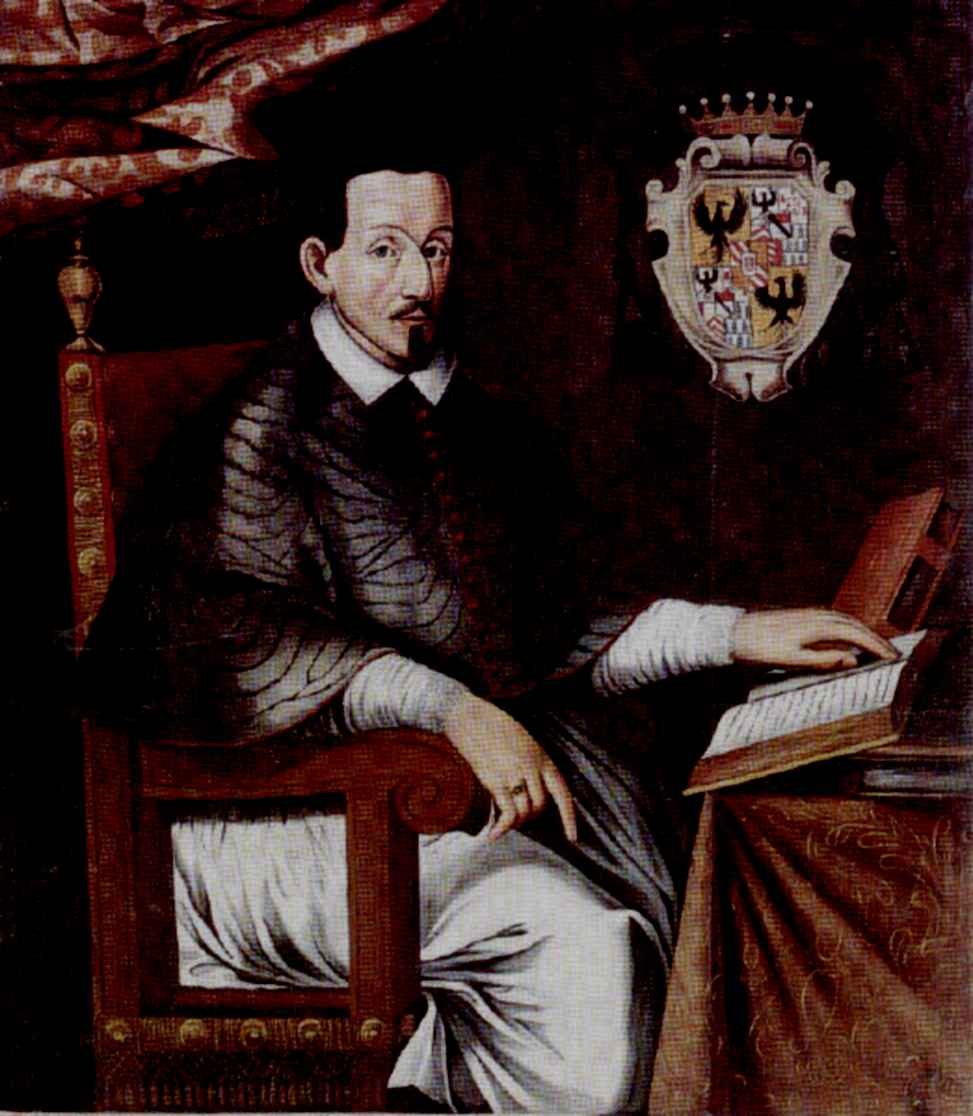
Trentino's history includes several figures from the Madruzzo family, who held the prince-bishopric of Trento for generations. Carlo Emanuele Madruzzo was the last of them, a churchman whose combination of political skill and personal scandal has kept his story alive well beyond the region's ecclesiastical history.
From Val d'Aosta to the Trento succession
Carlo Emanuele Madruzzo was born on 5 November 1599 at the Castello di Issogne in the Val d'Aosta, into one of Europe's most prominent noble families. He was educated in grammar and rhetoric in Munich and in philosophy under the Jesuits at Ingolstadt, then studied law in Perugia until 1619. That year his uncle, Cardinal Carlo Gaudenzio Madruzzo, called him to Trento as coadjutor and designated successor. Carlo Emanuele was ordained priest in 1626 and elected Prince-Bishop of Trento on 4 January 1629, a position he held until his death.
Governing through the Thirty Years' War
Madruzzo's episcopate coincided with one of the most destructive periods in early modern European history, the Thirty Years' War. Trento's small prince-bishopric had to navigate between the competing pressures of the Holy Roman Empire and the Papacy without losing its own limited independence. His most significant political achievement came in 1648, when he secured a degree of autonomy for the prince-bishopric of Trento from Austria, reinforcing the territory's position at a moment when larger powers were redrawing the map of Central Europe.
Scandal and a slap heard in legend
Madruzzo's public career was accompanied by a personal scandal that became the best-known part of his biography. He formed a relationship with Claudia Particella, the daughter of one of his advisors, and repeatedly sought papal dispensation to marry her, a request the Holy See refused each time. Tradition holds that, after one such refusal, an enraged Madruzzo struck Pope Alexander VII – an episode that, while never fully confirmed, has been retold for centuries as an illustration of his temperament.
A novel by the young Mussolini
The Madruzzo–Particella affair later found an unlikely chronicler: Benito Mussolini, then a young socialist journalist, serialised a historical novel based on the story, L'amante del Cardinale (The Cardinal's Mistress), in 57 instalments between January and May 1910 in the newspaper Il Popolo of Trento, edited by Cesare Battisti.
Death and legacy
Carlo Emanuele Madruzzo died on 15 December 1658, ending both his own reign and the line of Madruzzo prince-bishops of Trento. His life combined real diplomatic achievement, in the 1648 autonomy settlement, with the personal controversy that made him a recurring figure in regional storytelling. The Madruzzo name remains closely tied to the castles and historic residences of Trentino, among them Castel Toblino, a lakeside castle associated with the aura of power the prince-bishops once held over the territory, though not directly linked to Carlo Emanuele himself.